


 Listen Live
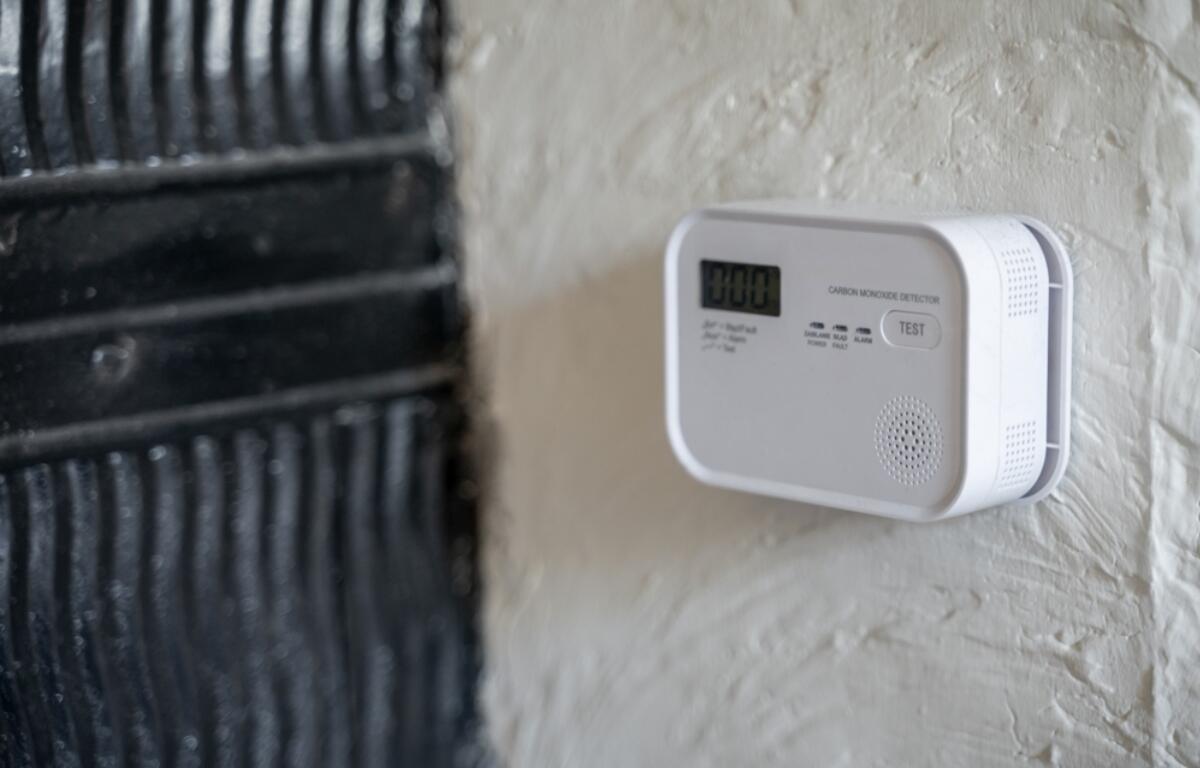

Springfield, IL (CAPITOL CITY NOW) – It’s colorless. It’s odorless. It’s tasteless. They call it “The Silent Killer.” It’s carbon monoxide!
Benjamin Fletcher, the environmental epidemiologist at the Illinois Department of Public Health took a deep dive into it for a first-of-its-kind-in-Illinois report.
“We did this report in order to understand the complete picture of carbon monoxide incidences across the state instead of looking at it as isolated incidents,” said Fletcher. “In order to do this, we were able to identify patterns and better promote health and protection across the state of Illinois. Carbon monoxide exposures actually are heightened between October and March. This allowed us to promote targeted education for the month of October into September before we see the spike in carbon monoxide exposure/
The report tallies up deaths, emergency room visits, and hospitalizations from 2019 to 2023.
In a news release, IDPH outlines the following findings:
- Over the five years of the study, carbon monoxide exposures resulted in an average of 940 emergency department (ED) visits, 126 hospital admissions, and nearly 57 deaths annually in Illinois.
- While unintentional CO exposures are most common during cold weather months from October to March, they can and do happen at any time of the year.
- Among the most common sources of unintentional carbon monoxide exposures are fire and smoke; malfunctioning or improperly ventilated furnaces, gas stoves, water heaters, or other appliances; exhaust from vehicles running in garages or other enclosed spaces; generators operating indoors without proper ventilation or operating outdoors too close to open windows; and gas-powered tools like saws or power washers being operated indoors or in unventilated spaces.
- Fire departments responded to more than 50,000 total carbon monoxide incidents statewide in the five-year period, with 95% of them occurring in residential settings. Commercial and business locations accounted for 2.4% of total reports, followed by public/government locations, healthcare and assisted living facilities, and institutional/educational locations.
- CO incidents were more likely to occur on Sunday than any other day of the week, and more likely to happen in the evening hours (6pm-midnight). Both findings reflect times when people were more likely to be home and using furnaces, appliances, or other potential sources of carbon monoxide.
- In 81 percent of all incidents, there was no data provided on whether a working carbon monoxide detector was in place at the site of the exposure. Of the remaining 19% of incident reports, six percent indicated that residents were alerted to the issue by a working CO detector; one percent indicated that no working detector was in place; and 12% said the CO detector status was “unknown.” The report says this shows the need for more consistent and complete reporting practices.
IDPH will use the report to support a number of initiatives aimed at improving awareness and prevention of carbon monoxide exposures, including:
- Strengthening and supporting public information campaigns year-round, and especially during high-risk seasons
- Supporting local health departments and other community partners around the state with data that will help them tailor outreach and prevention efforts in the most impacted communities
- Encouraging awareness, use, and maintenance of carbon monoxide detectors, as well as encouraging regular inspection and maintenance of furnaces and other gas-powered appliances
- Strengthening interagency coordination, including first responders, to identify and address high-risk settings before exposures occur, and
- Promoting continued CO surveillance efforts and better reporting on the presence and use of CO detectors to highlight their importance.