


 Listen Live
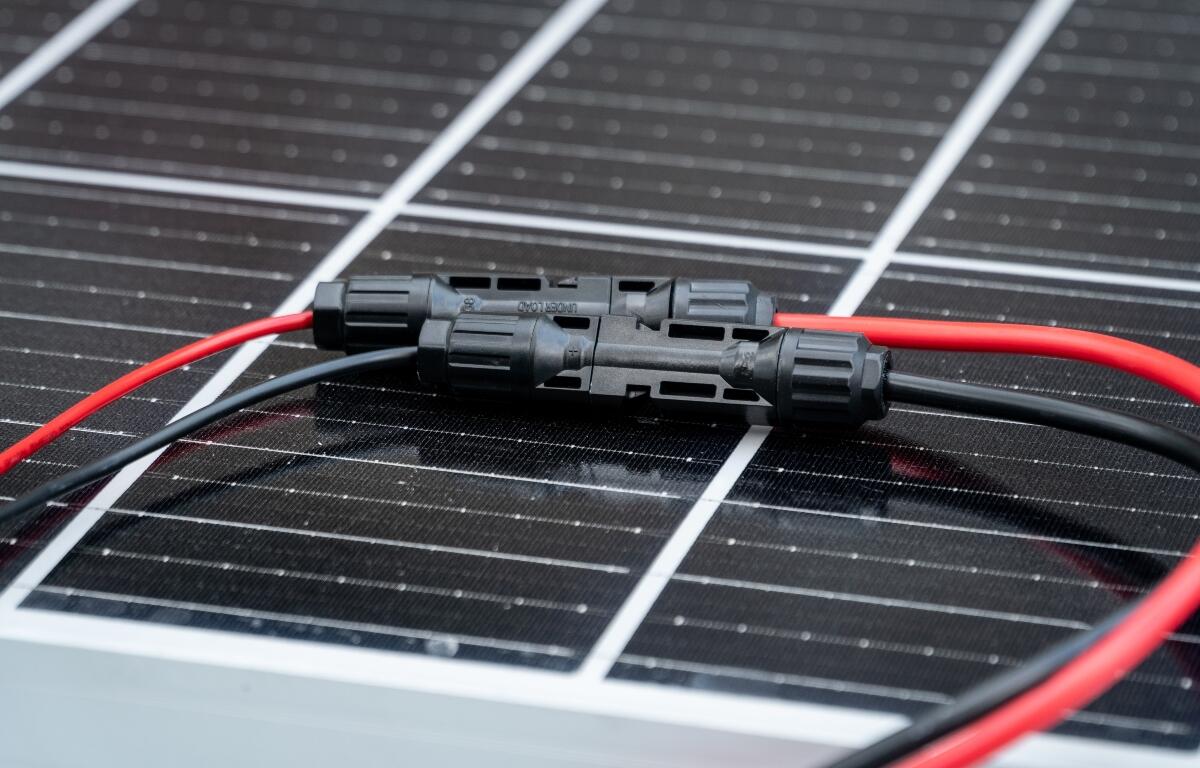

Springfield, IL (WAND) – Illinois could soon have a new opportunity for people to add plug-in solar panels to their homes. A bill moving in Springfield could legalize small energy systems and expand access for people facing barriers to rooftop solar.
Sen. Rachel Ventura (D-Joliet) told the Senate Energy and Public Utilities Committee Thursday that more people are looking to green alternatives to cut costs, and plug-in solar could be the answer. Her legislation could allow the use of balcony solar, or plug-in solar panels, that connect directly to a standard electrical outlet.
“Today, you can buy these panels online in all 50 states,” Ventura said. “But there are not safety standards in all 50 states. So, this bill allows us to set those safety standards, especially for larger systems, to ensure that it doesn’t backfeed to the grid.”
Advocates said this change would provide immediate low-cost energy for homes, apartments and condos.
“Last year, home electricity bills in the state increased approximately 15%, which is up to $200 over the course of the year,” said Ben Davis from Permit Power. “Solar and batteries located at the home [are] one of the simplest ways families can reduce their energy cost burdens.”
Plug-in solar would directly supply power to household appliances and lower the amount of electricity customers have to purchase from utility companies.
Senate Bill 3104 would allow people to install plug-in solar panels without obtaining approval from or paying a fee to their electricity provider. Homeowners’ associations and landlords could also be banned from adopting or enforcing any rules to restrict people from installing the panels.
“We’re downsizing and selling our house. We’ve rented a much smaller apartment,” said Catharine Schutzius from Third Act Illinois. “The apartment has a east facing balcony that would be perfect for these solar panels, but we need this legislation to take advantage of that.”
The proposal passed out of the Senate Energy and Public Utilities Committee on a 9-4 vote Thursday. It now moves to the Senate floor for further consideration.