


 Listen Live
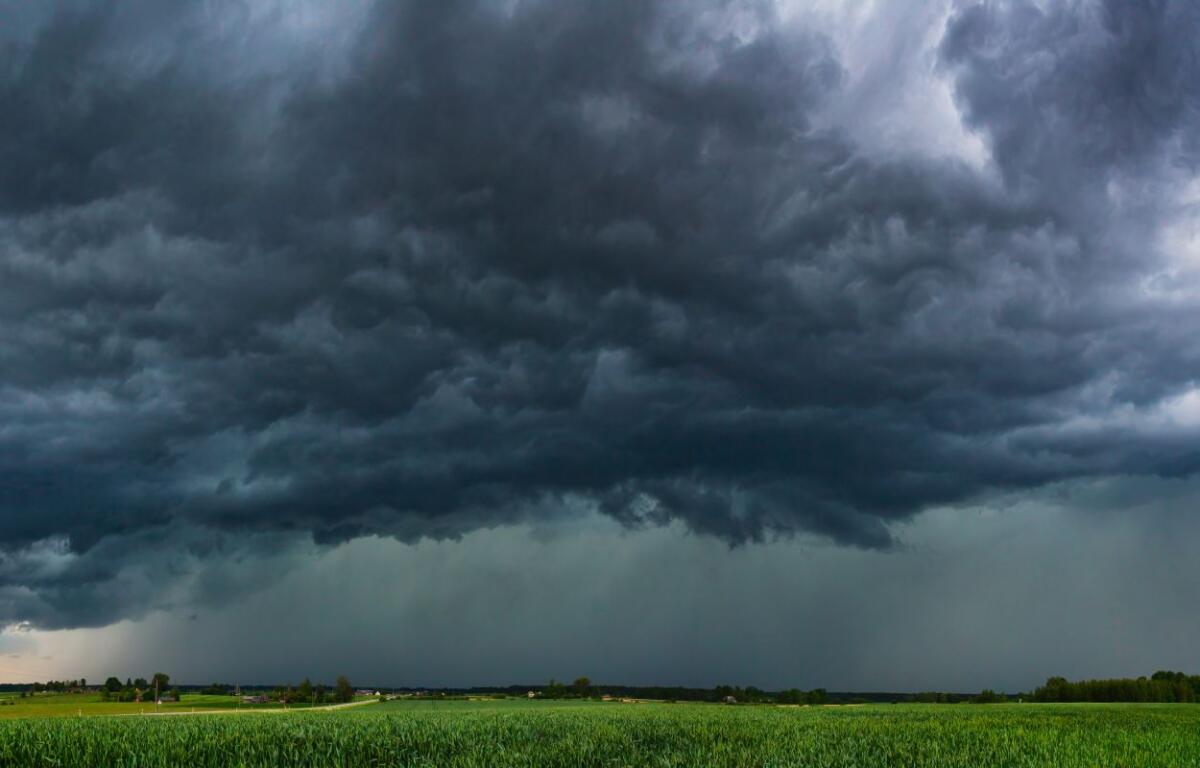

With severe weather scheduled to move through central Illinois, it’s important to be prepared and know what to do in an emergency.
Here are some tips from FEMA:
- Sign up for your community’s warning system. The Emergency Alert System (EAS) and National Oceanic and Atmospheric Administration (NOAA) Weather Radio also provide emergency alerts. If your community has sirens, become familiar with the warning tone. Springfield Citizen Notification System
- Identify sturdy buildings close to where you live, work, study and play. Pay attention to weather reports and warnings and be ready to take shelter immediately, if necessary.
- Make sure all mobile devices are fully charged before the storm. Have batteries and other alternative power sources to meet your needs in case the power goes out, such as a portable charger or power bank. Have flashlights for every household member.
- Take time now to bring outdoor items inside like potted plants, patio furniture, decorations and garbage cans. They can fly away in strong winds.
- Have a communications plan in place. Ensure everyone in your household knows where to go, what to do and how to reconnect after the storm. You can create and download a family plan at Make a Plan Form | Ready.gov.
- Do not walk, swim or drive through floodwaters. Watch for fallen power lines and trees. Report them immediately.
- After the storm and once it is safe to do so, check on family, neighbors and friends to make sure they’re okay.
Find even more valuable tips to help you prepare for severe weather at www.ready.gov/severe-weather and download the free FEMA App.
In the event of a tornado, take shelter. Here are some tips from The National Weather Service on where to seek shelter from a tornado.

For Springfield residents:
- Debris blocking roads/sidewalks: Call 217-789-2255 or 217-789-2246
- CWLP Electric Outage Hotline: 217-789-2121
- CWLP Water Trouble: 217-789-2323 Ext 2
For Ameren customers:
- Report and outage: https://www.ameren.com/outage-center/main or call 800-755-5000
Outage maps:
Generator safety:
 Generator safety is essential to prevent accidents, injuries, and carbon monoxide poisoning. Here are some key tips:
-
Location and Ventilation
- Operate generators outdoors in a well-ventilated area, away from doors, windows, and vents.
- Keep it at least 20 feet from the house to prevent carbon monoxide from entering.
-
Carbon Monoxide Safety
- Install battery-operated carbon monoxide detectors in your home.
- Never run a generator in an enclosed space, such as a garage or basement.
-
Electrical Safety
- Use heavy-duty, outdoor-rated extension cords.
- Never backfeed a generator into your home’s electrical system.
- Install a transfer switch to safely connect the generator to your home’s wiring.
-
Fuel Handling
- Store fuel in approved containers and keep it away from heat sources.
- Turn off the generator and allow it to cool before refueling to prevent fires.
-
Maintenance and Inspection
- Regularly inspect the generator for damage or wear.
- Follow the manufacturer’s maintenance schedule for oil changes and filter replacements.
-
Load Management
- Do not overload the generator; check the wattage capacity and only connect essential appliances.
- Use surge protectors to prevent damage to sensitive electronics.
-
Emergency Preparedness
- Keep a fire extinguisher nearby.
- Have an emergency plan and communicate it with household members.