


 Listen Live
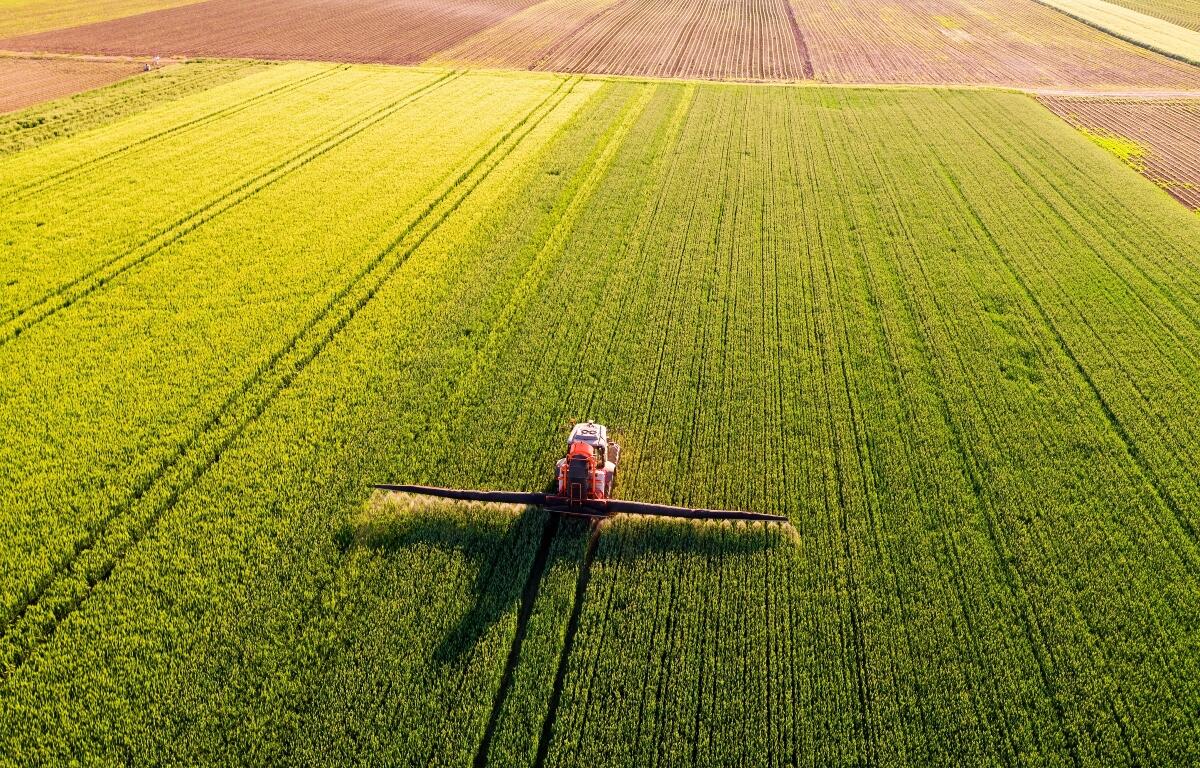

Boone, IA (WAND) – Farmers are paying more to grow the crops that end up on consumers’ tables, with rising input costs affecting their bottom line before a seed goes into the ground.
Before there’s a crop to sell, there’s a bill to pay, and for farmers, that bill can be big.
“Input costs don’t want to seem to come down in a lot of cases,” said USDA Under Secretary for Farm Production and Conservation Richard Fordyce.
Rising costs across the board
Fertilizer, fuel, seed and equipment costs have gone up, leaving less room for profit.
U.S. Agriculture Secretary Brooke Rollins said corn and soybean growers want more domestic opportunities so they don’t have to rely on foreign adversaries to buy their grain.
Rollins said bringing down the cost of production is critical for farmers trying to stay competitive, and fertilizer is a big part of that equation.
Fertilizer financing options
“We are looking to offer value to our customers. We partner with our strategic suppliers to be able to offer competitive financing services to hopefully alleviate the pressures that are facing their growers,” said Nutrien Financial Area Manager Joran Howe.
Fertilizer isn’t the only expense eating into farm budgets. For farmers, it comes down to getting more out of every dollar and every acre. That could mean buying less, buying later, or turning to propane instead of diesel.
Considering alternative fuel
“We are probably less than half the price of diesel fuel and so if there is opportunities for you, I think there is some good timing on your part,” said Propane Research Council Director of Agriculture Business Development Michael Newland.
When costs climb, every decision becomes more important.
“There is a lot of uncontrolables out there … and that is something that we can control and we might as well do the best that we can,” Howe said.
With input costs still a major concern, farmers are watching those numbers as closely as the weather.