


 Listen Live

Springfield, IL (CAPITOL CITY NOW) – A University of Illinois Springfield epidemiologist is leading a growing community effort to reduce lung cancer risks in Sangamon County by bringing radon education and testing resources directly to local residents with her students.
Jessica Madrigal, an associate professor in the UIS School of Integrated Sciences, Sustainability and Public Health, is leading the initiative alongside her students. The project focuses on radon, a colorless, odorless, radioactive gas that occurs naturally and stands as a leading risk factor for lung cancer, causing thousands of deaths annually in the United States.
“Unlike carbon monoxide where you might have a detector in your home, there is no detector that’s universally appreciated by people to be checking radon levels,” Madrigal said during an interview on the WTAX Morning Newswatch. “We’re just trying to raise awareness about radon and get people to understand the need to test their home”.
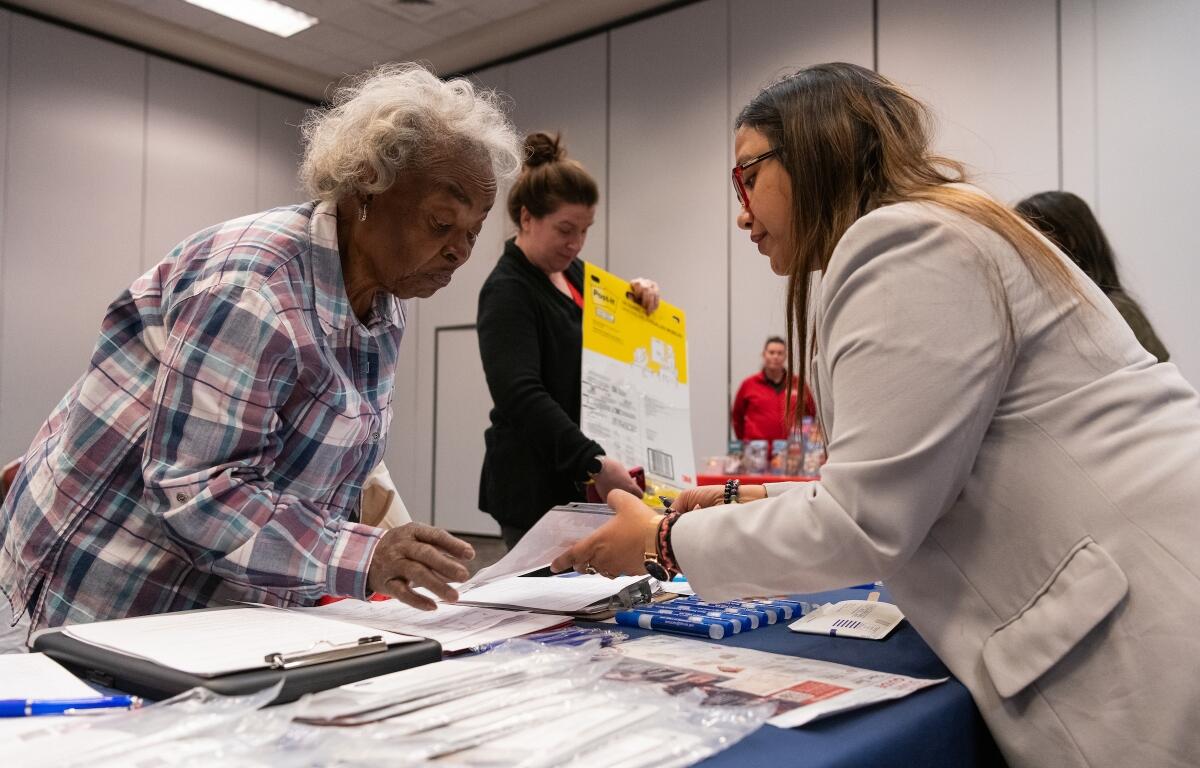
Through partnerships with local libraries and community organizations, the team is delivering education and distributing free radon test kits at outreach events across the region. The Illinois Emergency Management Agency provided approximately 300 short-term kits for the project, representing roughly $10,000 in support. To date, the team has distributed more than 80 kits, and has the means to buy more if needed.
Madrigal advised that if a home’s radon level exceeds 4 picocuries per liter which is the U.S. Environmental Protection Agency’s action level, homeowners should perform a follow-up test and consider professional mitigation.
Madrigal gives information during the interview on what to do if you have radon in your home.
“You should hire a licensed radon mitigator,” Madrigal explained. “They find a way to put a pipe in the foundation of your home… it pulls the radon from underneath your foundation and then usually vents it outside.”
While a mitigation system can cost between $1,000 and $1,200, Madrigal noted that in her own experience, it can reduce levels to less than one picocurie. “Usually that will kind of take care of the radon problem,” she said.
The project will continue its outreach at the Williamsville Library on April 9 and the Riverton Library on April 28. Madrigal also noted a planned appearance at a senior fair at the Orr Building on May 20.
Beyond immediate outreach, the initiative includes a research component. Madrigal and her team plan to conduct a knowledge survey and publish their findings to contribute to the limited body of research regarding community-engaged cancer prevention in rural areas.
“Better safe than sorry,” Madrigal added, recommending that residents retest every two years even if they have a system in place. “The earth can shift… and since this gas really is coming out of the earth’s crust and in the soil and rocks underneath us, just better safe than sorry.”