


 Listen Live
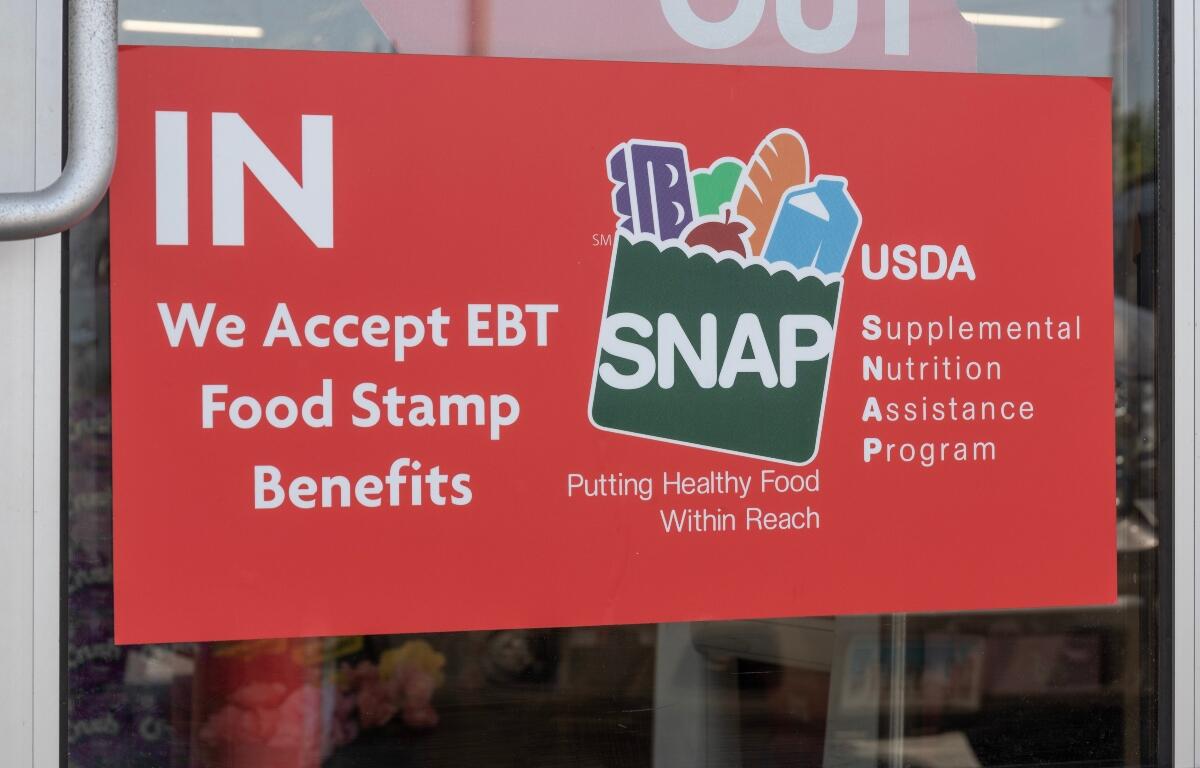

Decatur, IL (WAND) – Under “The One Big Beautiful Bill Act,” several changes to the Supplemental Nutrition Assistance Program (SNAP) are happening. However, the dates for those changes to be enacted have been moved several times. This is due to lawsuits and delays in getting information out to impacted individuals.
A primary group affected by the bill is Able-Bodied Adults Without Dependents (ABAWD). Those who fall into this group will only be eligible to receive three months of benefits in a three-year timeframe.
The bill raises the age of ABAWDs from 54 to 64. It also lowers the ages of dependents from 14 to 18 years old. For example, a 55-year-old with a 15-year-old living in their home would need to work according to the minimum requirements to be eligible for SNAP.
“There’s a lot of figuring out what will count as meeting a work requirement,” said Chris Garcia, a community health worker and navigator at Champaign County Health Care Consumers. “That’s where folks are having to show proof of volunteering, working, or being enrolled in school for part-time or the minimum is about 80 hours a month.”
Garcia has been helping people fill out paperwork to prove they are exempt from the new work requirements, or show they are working according to the requirements. He said it has been hard to get answers on deadlines and what qualifies under the new rules.
In a statement sent to WAND News, the Illinois Department of Human Services, the primary changes to work requirements will start Feb. 1, 2026, which means they will begin impacting people on May 1, 2026.
Some of the people exempt from the new work requirements are people age 64 or older, or those with qualifying disabilities. The Macon County Health Department has been helping those individuals fill out the required documents to ensure there is no lapse in SNAP benefits.
“We are able to assist those that are 60 years plus, as well as individuals 18 and older who have a disability to figure out how to apply for their SNAP exemption,” said Emily O’Connell, director of health promotions at the Macon County Public Health Department. “We can help them fill out the paperwork that they may have received in the mail for the work requirement.”
O’Connell said they have also been answering questions regarding the legitimacy of paperwork and whether it is appropriate to send information to people who ask for it.