


 Listen Live

Springfield, IL (CAPITOL CITY NOW) – The flu, RSV, Covid, and many more illnesses are out and about this time of year. Protecting your children from getting sick is a top priority this flu and cold season.
Dr. Kara Shafer, a Pediatrician from Memorial Health, spoke on the WTAX Morning Newswatch, about ways to treat and even potentially prevent your child from getting sick this year.
“Acetaminophen and Motrin are always kind of staples for these things. Only use Motrin in children older than 6 months. One that a lot of families tend not to know about as much, is saline, or extra strength saline. Start saline in your kid’s nose and doing it three or four times a day, right as the illness starts, can really shorten the course of the cold by up to two days, and there is some really good evidence to support that.” Said Shafer.
When it comes to preventative measures, keeping devices, surfaces, and your hands clean are important steps as well.
Shafer said “Of course washing your hands and those kinds of things we’ve heard of before. One that people don’t tend to think of is their cell phones. You take it with you everywhere and take it out in public a lot, as well as tend to place it on many different surfaces. So, when you get home for the day, wiping down your phone and making sure that its clean can help you stay a lot healthier too.”
Other preventative actions you can take to keep your children and even yourself healthy during the cold and flu season, include getting vaccinated and keeping up to date with vaccines.
“The experts that make the flu vaccine do their best to try to predict what the flu is going to mutate to each year. It’s super important to stay up to date on your covid and flu vaccines, and then there is the new RSV vaccination as well, that can help prevent older adults, pregnant women and young babies from the RSV Infections,” stated Dr. Shafer.
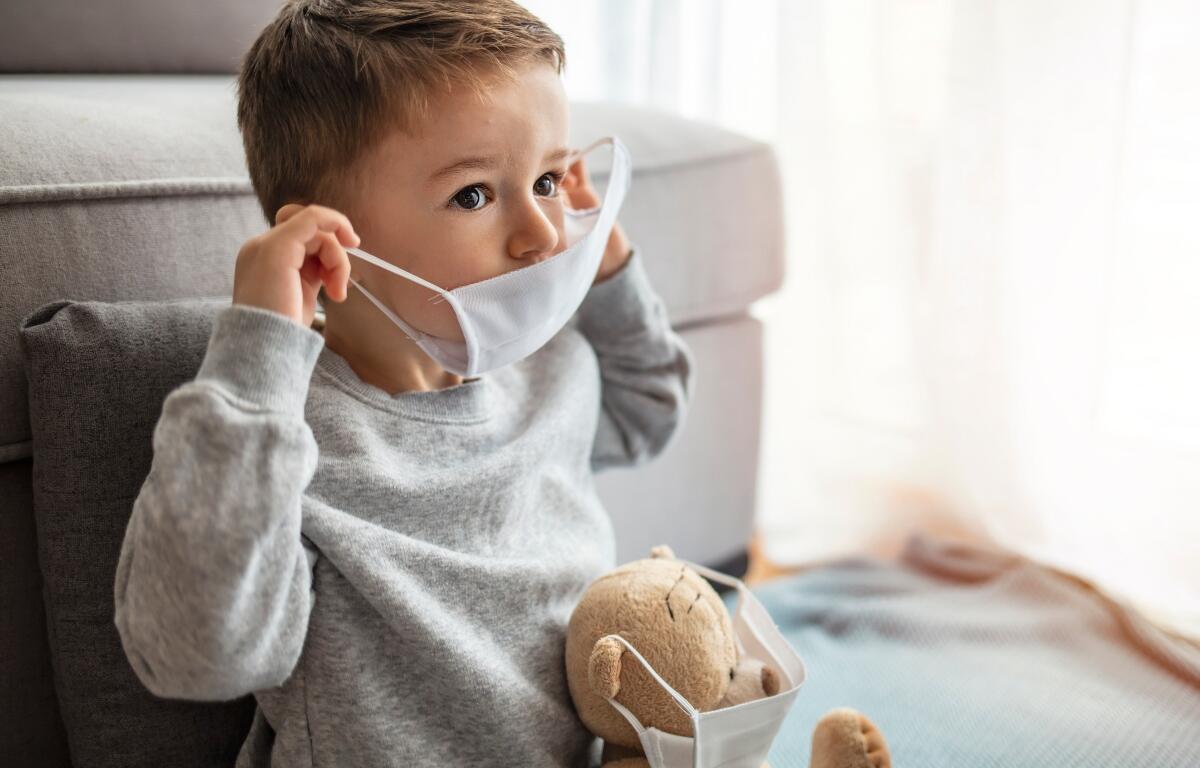
Shafer also said “Avoiding anybody that you know is sick is a big one. If you have to be around anyone that you know is sick, masking can really help. Most respiratory illnesses spread through respiratory droplets, and wearing a mask can help you prevent the spread or ingestion of those droplets that would make you sick.”
Of course, if you do get sick, it’s never a bad idea to still go get checked out at an urgent care or family practitioner to ensure it doesn’t turn into something worse, Shafer said.