


 Listen Live
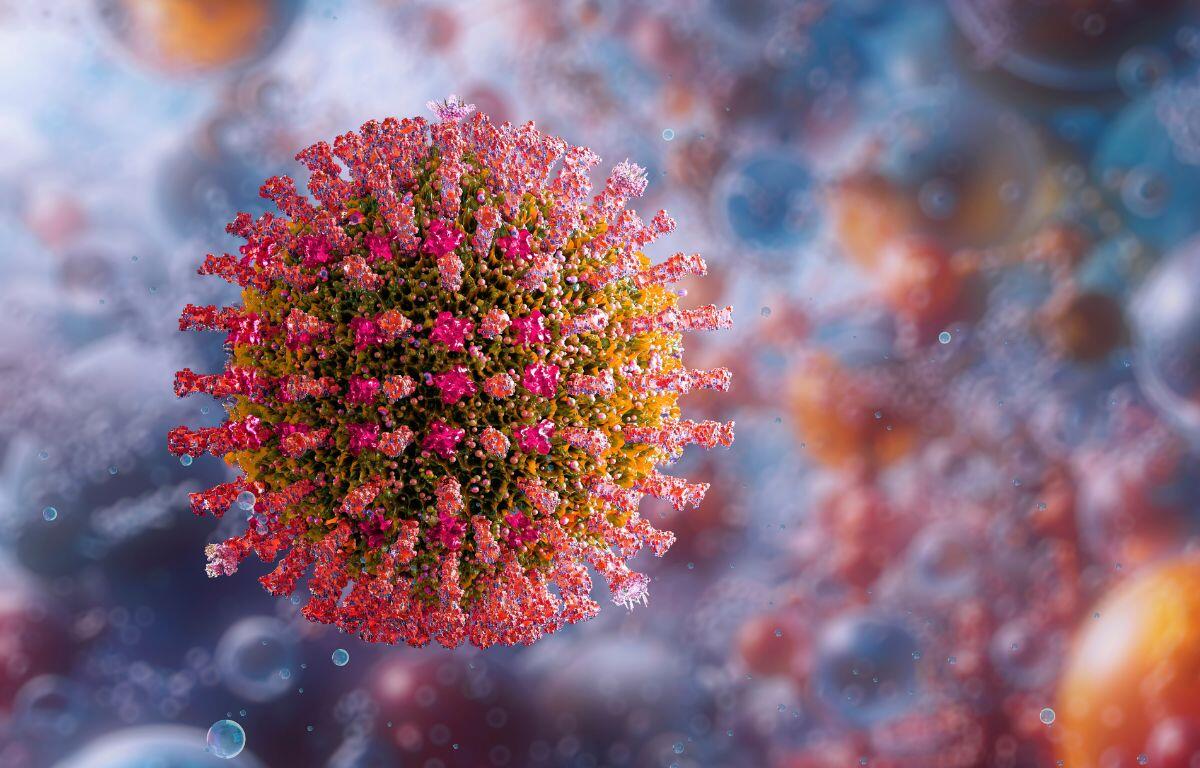

Peoria, IL (CHAMBANA TODAY) – For many adults, measles is remembered as a routine childhood illness, but health experts say that perception no longer reflects today’s reality. With measles cases rising in early 2025, public health officials are warning that the United States is at risk of losing its measles elimination status, a designation granted by the Pan American Health Organization.
Before vaccines were widely available, nearly every child in the U.S. contracted measles. While natural immunity can develop after infection, the risks associated with measles far outweigh any benefit, according to Dr. Doug Kasper, an infectious disease specialist with OSF HealthCare. He said measles is highly contagious and can lead to serious complications, including pneumonia, brain inflammation, long-term health problems and even death, even in otherwise healthy children.
Dr. Kasper emphasized that the measles, mumps and rubella (MMR) vaccine is extremely effective at preventing infection and has a long history of safety and success. He explained that vaccines work by strengthening the body’s natural immune system, helping it build what he describes as a “library” of protection without requiring someone to endure a potentially severe illness.
Measles vaccination remains part of the routine pediatric schedule, typically beginning at one year of age, though it can be given earlier during outbreaks. Maintaining vaccination rates above 95% is critical to preventing the spread of the virus. However, declining vaccination rates in parts of the Americas have raised alarms among health officials.
While measles is not currently widespread nationwide, localized outbreaks continue to occur in communities with lower vaccination coverage. Public health departments respond with education efforts, rapid investigations and targeted vaccination campaigns, but experts say prevention through vaccination remains the most effective tool.
Health providers urge parents to stay up to date on childhood immunizations to protect not only their own children, but also vulnerable members of the community, and to help preserve decades of progress in eliminating measles.