


 Listen Live

San Francisco, CA (AP) – In December, Stephen Curry made a conscious effort to smile before he coolly converted two free throws with 12 seconds left that helped seal a 119-116 win against Phoenix.
He seemed calm. He wasn’t — saying so afterward. Sometimes, even Curry’s nerves kick in when the game is on the line, even 17 years into his NBA career and now at 38 years old.
“That’s more mental warfare for me to just enjoy the moment,” Curry said at the time. “I don’t care how many free throws you’ve made, when you need two of them, you do get nervous, so the smile is more to kind of embrace the moment and enjoy it instead of overthinking or worrying about mechanics or anything. So I’ve been doing that a lot lately, like last couple years, just playing mind games with myself and enjoying the moment.”
Other professionals find some comfort in Curry acknowledging his angst and anxieties, being he’s one of the best in basketball and still has to work through things — even in real time. It’s relatively new for athletes to even be talking publicly about nerves, given the more open dialogue in recent years about the importance of mental health and seeking help through various struggles.
Los Angeles Dodgers manager Dave Roberts, whose club has won the past two World Series titles, happened to be in the stands at Chase Center to see Curry make those free throws on Dec. 20.
Roberts has witnessed so many of his own players deliver for the Dodgers in crucial moments on the big October playoff stage.
“I think that’s telling that Steph would say that and there is an innate fear in people to fail in big spots or to be nervous. I think it’s just important to admit it at times and then kind of move on from there,” Roberts said this spring. “We were talking about it a couple days ago, those moments I think you mitigate the fear or the nerves from preparedness. I think Steph has shot so many free throws when he’s tired in big spots, so to admit that he’s nervous, he knows at the end of the day that he’s prepared for that spot. Most of our guys, we talk about that a lot, so I think that’s how they can get past that fear or nerve hurdle.”
Embracing the big moments
Chicago Bulls coach Billy Donovan polled his players earlier this season whether they considered a free throw with one second left in a tie game the same as one in the first quarter of a tie game. The answer was a resounding no.
“I said, ‘Why is it different?’ and they explained all the consequences of what would happen, but the reality is it’s still the same exact shot it is in the first quarter or the second quarter,” Donovan said. “And I find that guys in those moments have the ability to block out the consequences or what the ramifications are and really lock in to what they can control and the routine. The basket’s still 15 feet away, it’s still 10 feet high. And just because the circumstances may be different, the routine should be exactly the same.”
When it comes to the nerve factor, mental performance coach Graham Betchart suggests one trick in the moment can somehow transform those fears of failure into something positive instead.
“The biggest surprise to most people is that great pro athletes have the same feeling that a kid has, they just reframe it,” Betchart said. “I remember one of the first pros I worked with, I said, ‘What’s pressure like for you?’ He said, ‘Graham, what you call pressure, I call joy.’ I said, ‘What does joy feel like?’ He said, ‘Joy feels like I’m going to pee in my pants, 10,000 butterflies in my stomach, heart is pounding, self doubt everywhere.’ I said, ‘That’s joy?’ He said, ’Yeah, ‘cause when I feel that I’m about to go do what I love, which is play ball.’ So we call that reframing. I think this is one of the biggest unlocks in the entire world.”
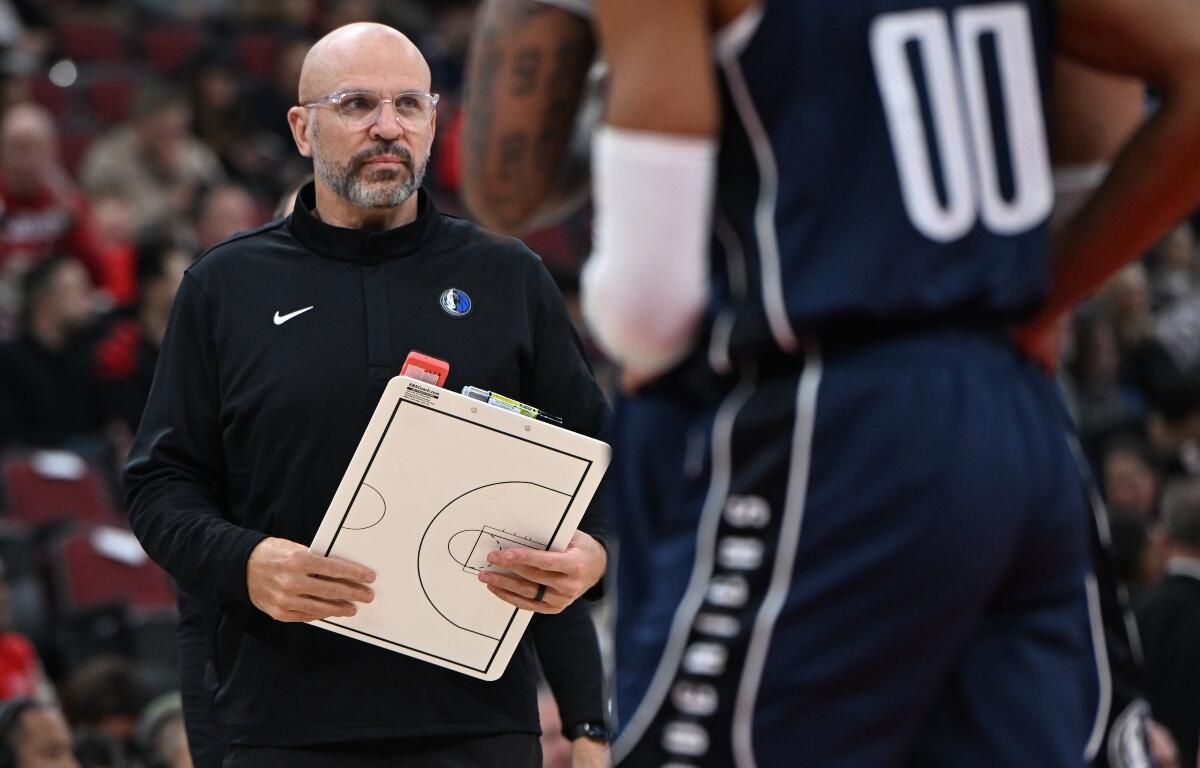
Hall of Famer Jason Kidd, the Dallas Mavericks coach who played 19 NBA seasons and was a 10-time All-Star and 1994-95 Rookie of the Year, realizes sometimes fans might forget professional athletes are people, too.
And becoming fearful is a natural response to stress.
“It is healthy. I think that just lets everyone know you’re human. Steph is human,” Kidd said. “There are feelings and emotions but I don’t know if he gets nervous. Free throws are like layups for him, like 2-foot putts. But it’s also great that he is open to sharing that about his feelings, that’s pretty cool.”
Leaning on routine
Each day, Warriors guard De’Anthony Melton aims to make 10 free throws in a row. That way, when he gets into a game situation he tells himself the same thing: “Whatever happens, happens, you’ve just got to live with the results, but sometimes getting to the free-throw line can help you get into a rhythm and get your shot going, too.”
Coaches have their moments, too. Doc Rivers doesn’t always trust himself to make the right call in crunch time.
“There’s nerves with everything. I can draw up a play as a coach and I know it’s a good play, but I’m nervous if we’re going to run it right or is it going to work. As a player, I was an 80-percent free-throw shooter, but it’s still there. That’s why you breathe deep and that’s where routine comes in. The more you do the routine, the more it becomes normal. But there’s nothing normal in life when you’re shooting a free throw and there’s 20,000 people screaming to make you miss, that’s not normal in life. So you have to breathe your way through it.”
Athletics pitcher Luis Severino spent the first nine years of his major league career in New York between the Yankees and Mets. That brought its own pressure, so the days he felt off on the mound, the nerves were worse.
“I think it’s more of how you’re feeling that day. If Stephen Curry is feeling like he always feels, there’s nothing to worry about,” Severino said, chuckling. “If that day I’m feeling good, I have nothing to worry about. If I’m struggling with command and or a pitch, not commanding my breaking balls, I will get a little bit nervous, but if I’m good that day I have nothing to worry about.”
Nerves are a natural part of sports
San Francisco Giants shortstop Willy Adames appreciated hearing that Curry, too, fights nerves in crucial moments.
“I think it’s a great thing, I think it’s something that you have to embrace and know that it’s OK to feel it,” Adames said. “I always try to tell myself, ’if you feel a little nervous or a little anxious, just embrace it like it’s OK, it’s OK to feel it. But just know that you’ve got to take a deep breath and try to make sure that you’re under control.”
Betchart believes that pros speaking of their nerves will help others learn ways to better cope. Working with members of the Army who told him they’re fearless, he learned they do actually experience fear but embrace that as being part of the job.
“They’re not fearless, they feel the fear, and then they lean into it,” he said. “So it’s really a power of vulnerability, it’s a victory of the vulnerable.”
___
AP NBA: https://apnews.com/NBA and AP MLB: https://apnews.com/mlb