


 Listen Live
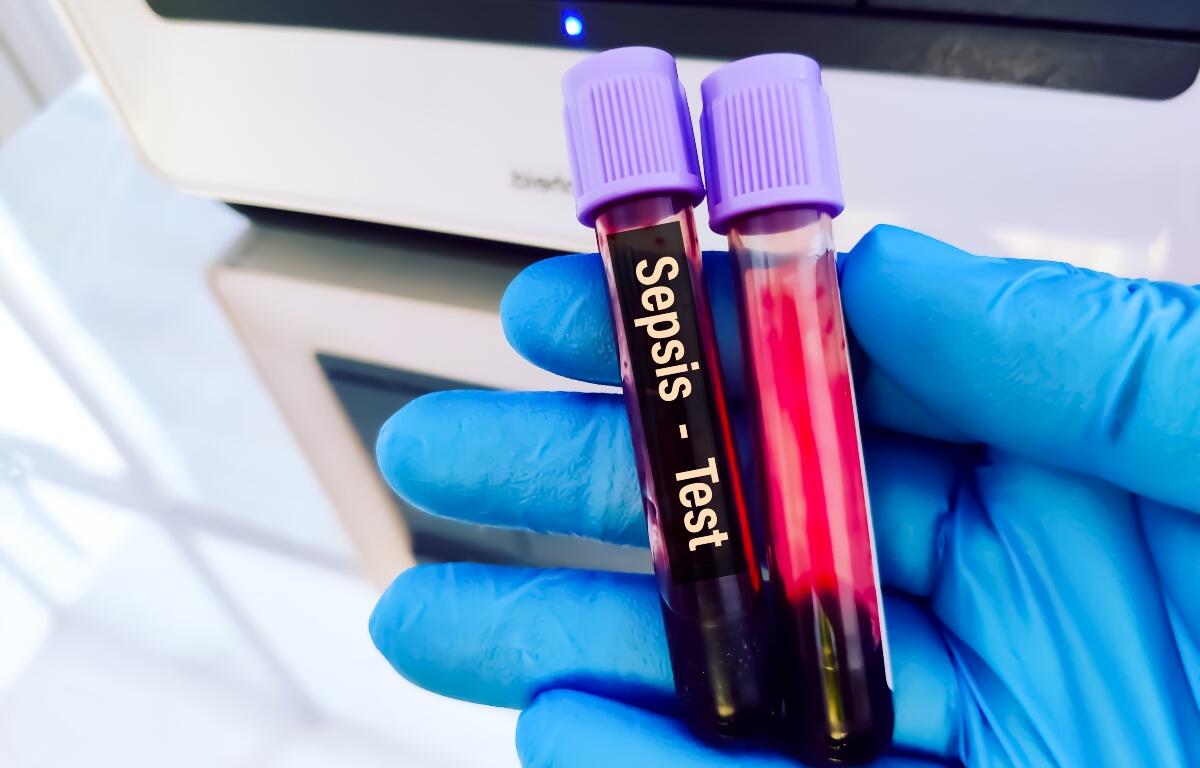

Springfield, IL (CAPITOL CITY NOW) – Springfield Memorial Hospital is trying to make sure both patients and employees know about sepsis, and how dangerous that developing can be.
Sepsis is described as a complication of infection, and how the body extremely responds to it.
“Signs and symptoms of sepsis, or a very severe infection, would be very low blood pressure, dizziness, light-headedness, you’re feeling you heart racing, you may be breathing very fast,” said Dr. Ryan McCarty, Internal Medicine Specialist, SIU School of Medicine, on the WTAX Morning Newswatch. “Others around you may notice that you’re more confused, or not making sense when you talk.”
Memorial says through their Sepsis Program, they’re trying to instruct staff to work harder to identify those sepsis symptoms, and also talk with family members about them, thinking those symptoms could start even before you hit the emergency room.
“For the past couple, we’ve really worked on helping our care teams recognize sepsis early, and responding consistency,” said Brianne Holmes, Sepsis Program Manager, Springfield Memorial Hospital. “Early intervention, early treatment, is better outcomes for our patients.”
Holmes says very few hospitals have specific sepsis programs, even though sepsis itself can kill as many as 250,000 Americans a year. She said Memorial is now part of an initiative that is going to help better training programs for sepsis, possibly around the country.
“I’m really excited that we are able to partner with other health care organizations,” said Holmes. “We recently had a visit by the University of Iowa to be participants in a research study funded by (National Institutes of Health). Sepsis programs just are not very common, when you look at other programs like stroke or trauma programs. This study is to really help develop the template for what an effective sepsis program looks like.”
McCarty and Holmes recommend that if you feel ill or have problems, time is of the essence in order to prevent sepsis from settling in, or treat it if it’s already happening. So, they say, get to the doctor, hospital, urgent care, or emergency room as soon as possible.