


 Listen Live
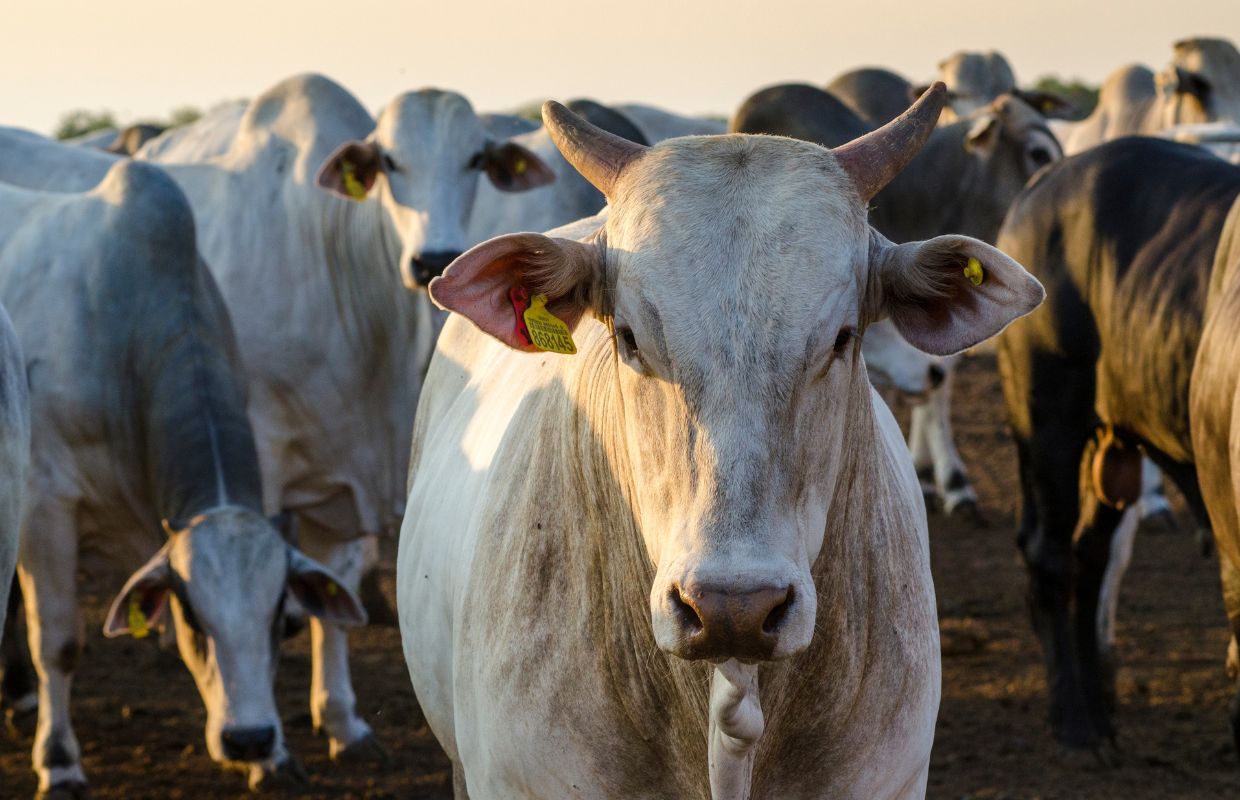
USDA released on Friday the final traceability rule requirements for animal identification in the cattle sector.

Energy-related payments to farmers for oil, natural gas and wind production have continued to be a significant form of farm income and vary widely depending on where farmers operate, according to a new study by USDA’s Economic Research Service (ERS).

The world faces many unique challenges in the decades to come, including a rapidly expanding global population. The United Nations estimates that the global population will reach 9.71 billion in 2050. That’s an increase of more than 1.7 billion people between 2023 and 2050.

DES MOINES, IA (AP) — Stung by paying billions of dollars for settlements and […]
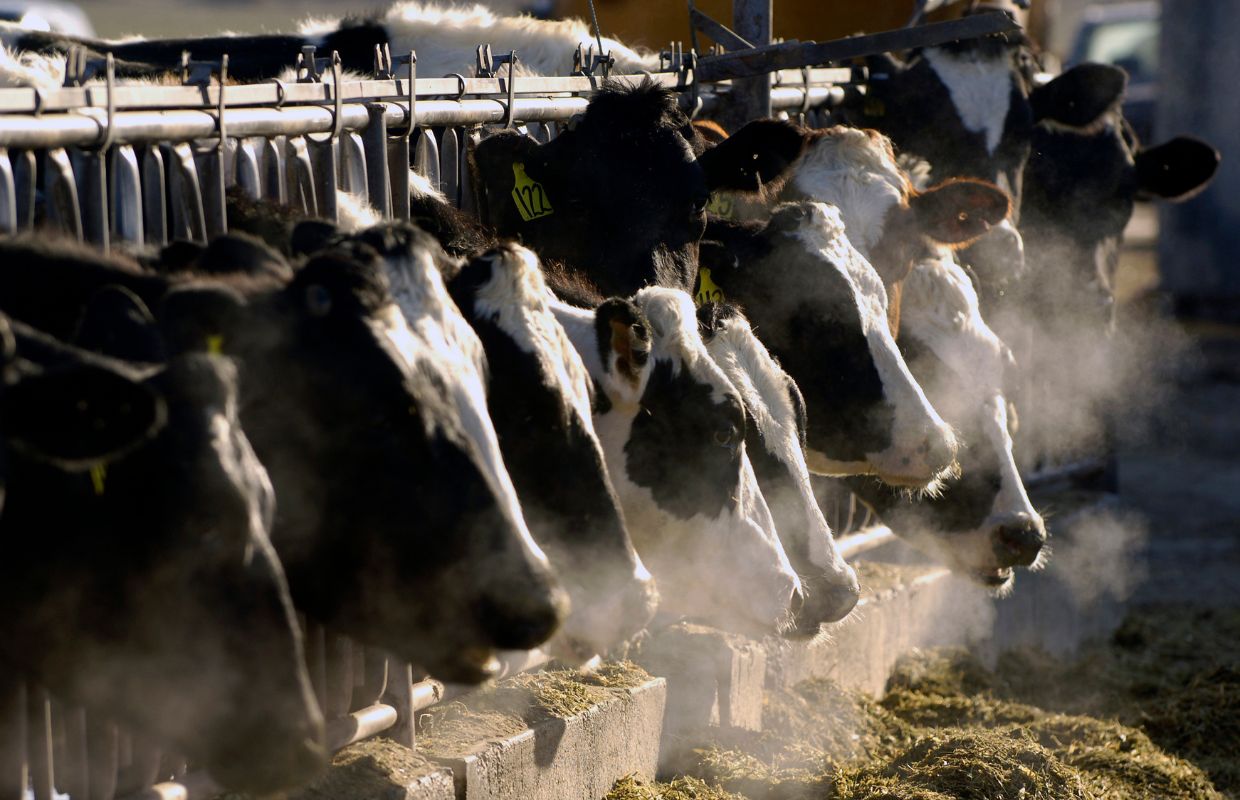
A bird flu outbreak in U.S. dairy cows has grown to affect more than two dozen herds in eight states, just weeks after the nation’s largest egg producer found the virus in its chickens.

The Federal Aviation Authority (FAA) estimates that between 1.6 and 1.8 million small unmanned aerial vehicles (sUAVs) will be registered for recreational use by the end of 2024. Thanks to their advanced technology and extensive use in various industries, the United States leads the worldwide market for drones.

The federal program that helps pay for groceries for millions of low-income mothers, babies and young kids will soon emphasize more fruits, vegetables and whole grains, as well as provide a wider choice of foods from different cultures.

Climate change poses an array of challenges. The National Oceanic and Atmospheric Administration notes that the impacts of climate change on various sectors of society are interrelated, a connection that mirrors the ripple effects of the COVID-19 pandemic.

A new study in a California county found a surprising effect as their acreage grew — their conventional neighbors were using more pesticides than before.
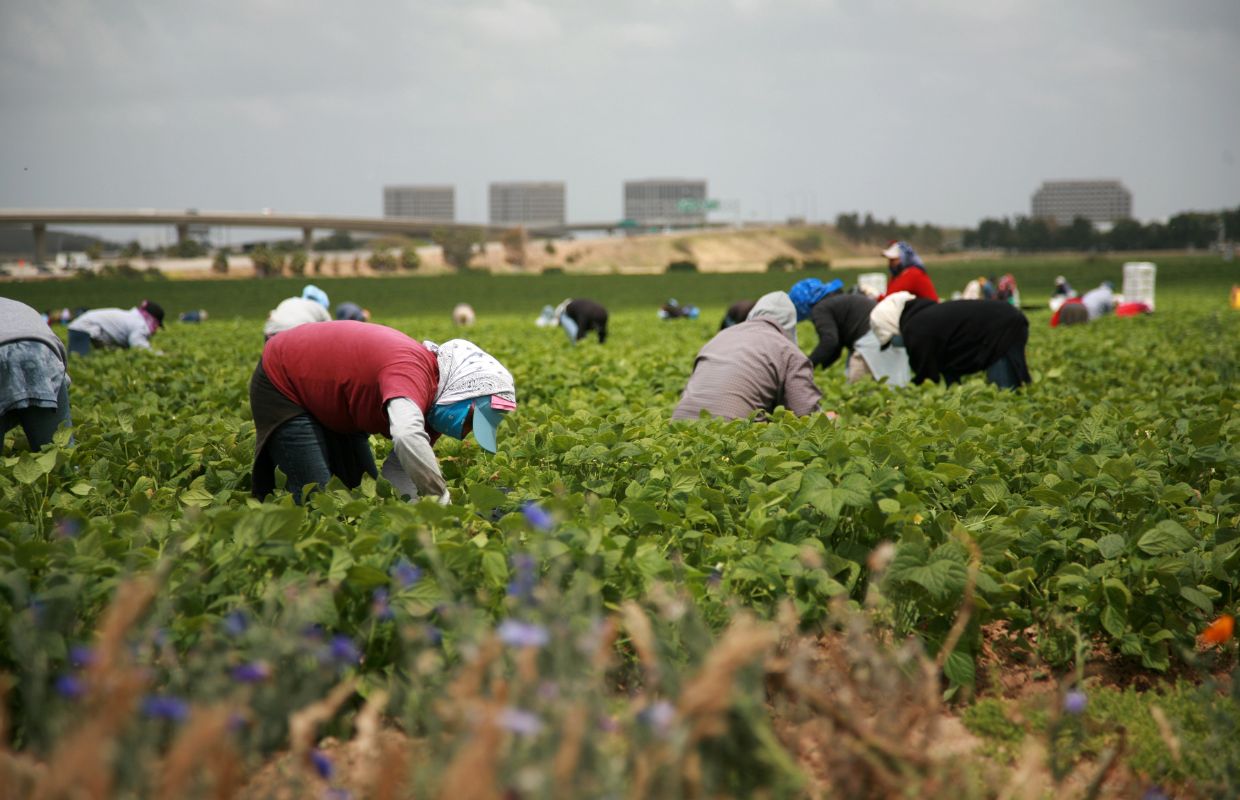
The Oscar-nominated documentary “Food, Inc” helped change the way many consumers think about the systems behind the things we eat.